

If you were born in June, you have three birthstones. Pearl, alexandrite, and moonstone all share the month, and each one tells a completely different story. One comes from the ocean floor, one is considered rarer than diamond, and one looks like it was carved out of moonlight. For anyone shopping for a June birthstone ring, that variety is actually a gift: you get to pick the stone that matches your personality instead of settling for whatever the calendar hands you.
Here, know what each June birthstone means, how they compare in durability and price, and how to translate that into a ring you'll actually want to wear every day.
Why Does June Have Three Birthstones?
Most months get one official birthstone. June is an exception because pearl was the traditional birthstone for centuries, but by the early 1900s, jewelers wanted an alternative that could hold up to daily wear because pearls are soft and scratch easily. Alexandrite was added as a more durable option, and moonstone came in later as a widely available, budget-friendly third choice. Today, all three are recognized by the jewelry industry, which means June gemstones genuinely get to choose based on style, budget, and lifestyle rather than tradition alone.
1. Pearl: The Classic June Birthstone
-
Pearl Meaning and Symbolism
Pearl is one of the only gemstones created by a living creature rather than formed underground, and that origin story shapes its meaning. Across cultures, pearls have symbolized purity, wisdom gained through experience, and calm emotional balance.
In ancient Greece, pearls were associated with love and marriage, which is part of why pearl jewelry is still such a popular choice for brides today. Because a pearl forms slowly, layer by layer, inside an oyster or mollusk, it's also become a quiet symbol of patience and personal growth, something that starts as an irritation and ends up beautiful.
-
Types of Pearls and How to Choose
All pearl qualities are different, and knowing the differences helps when you're comparing rings:

-
Akoya pearls: This includes round, lustrous, and classic white or cream, typically the most affordable saltwater option.
-
Freshwater pearls: These pearls are grown in mussels compared to oysters, often more affordable and available in soft pastel tones.
-
South Sea pearls: These gemstones are larger and rarer, like July ruby, prized for a warm golden or white glow.
-
Tahitian pearls: These pearls are naturally dark, ranging from charcoal to peacock green, a striking choice for a modern ring.
For a ring that gets worn daily, luster and surface quality matter more than sheer size. A smaller pearl with a deep, mirror-like shine will look more luxurious than a larger one with a chalky surface.
-
Styling Pearl Rings for Everyday and Bridal Wear
Pearl rings work beautifully as stacking pieces, cocktail rings, or even non-traditional engagement rings for someone who wants something softer than a diamond solitaire. Because pearls are relatively soft (around 2.5-4.5 on the Mohs scale), a protective setting, like a bezel or a halo of small diamonds, helps shield the edges from everyday bumps.
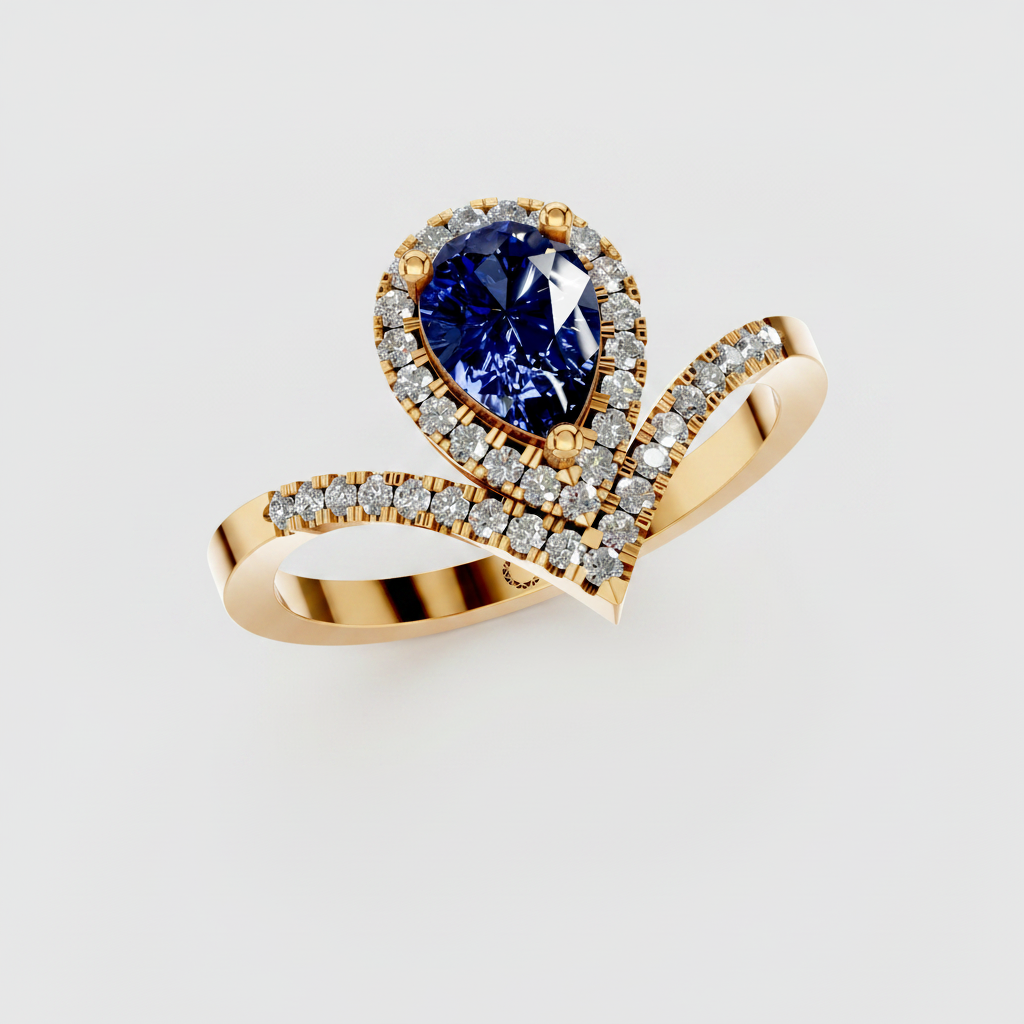
If you love the idea of pairing a pearl centerpiece with sparkle, a halo-style setting is worth looking at closely, since the same design logic shows up in pieces like this pear-shaped sapphire halo lab-grown ring, where a colored center stone is framed and protected by diamonds along a curved band.
2. Alexandrite: June's Color-Changing Gem
-
Alexandrite Meaning and Rarity
Alexandrite is the birthstone with the best party trick: it shifts color depending on the light source, appearing green-blue in daylight and shifting to a purplish-red under warm blue light. It was first discovered in Russia's Ural Mountains in the 1830s and named after Tsar Alexander II. Because the Alexandrite gemstone happened to show both red and green, the colors of Imperial Russia's military, it quickly became associated with good fortune and balance.
Symbolically, alexandrite is tied to transformation and finding harmony between opposing forces, which makes sense given its dual-toned personality. It's also genuinely rare in nature, which is why natural alexandrite can be more expensive per carat than a mined diamond of similar size.
-
Alexandrite vs Lab-Grown Alternatives
Because natural alexandrite is scarce, most alexandrite rings on the market today use lab-created alexandrite, which has the same chemical structure and color-change effect as the natural stone but at a fraction of the cost. This mirrors a bigger shift happening across fine jewelry: lab-grown diamonds and lab-created colored gemstones like August pearl, spinel, and sardonyx now offer the same optical properties as their mined counterparts. This opens up options for shoppers who want a bigger, brighter stone without the natural-gem price tag.

If a color-shifting centerpiece appeals to you but the budget doesn't stretch to a rare natural stone, a lab-created option paired with a lab diamond accent setting is a practical middle ground.
-
Choosing an Alexandrite Ring Setting
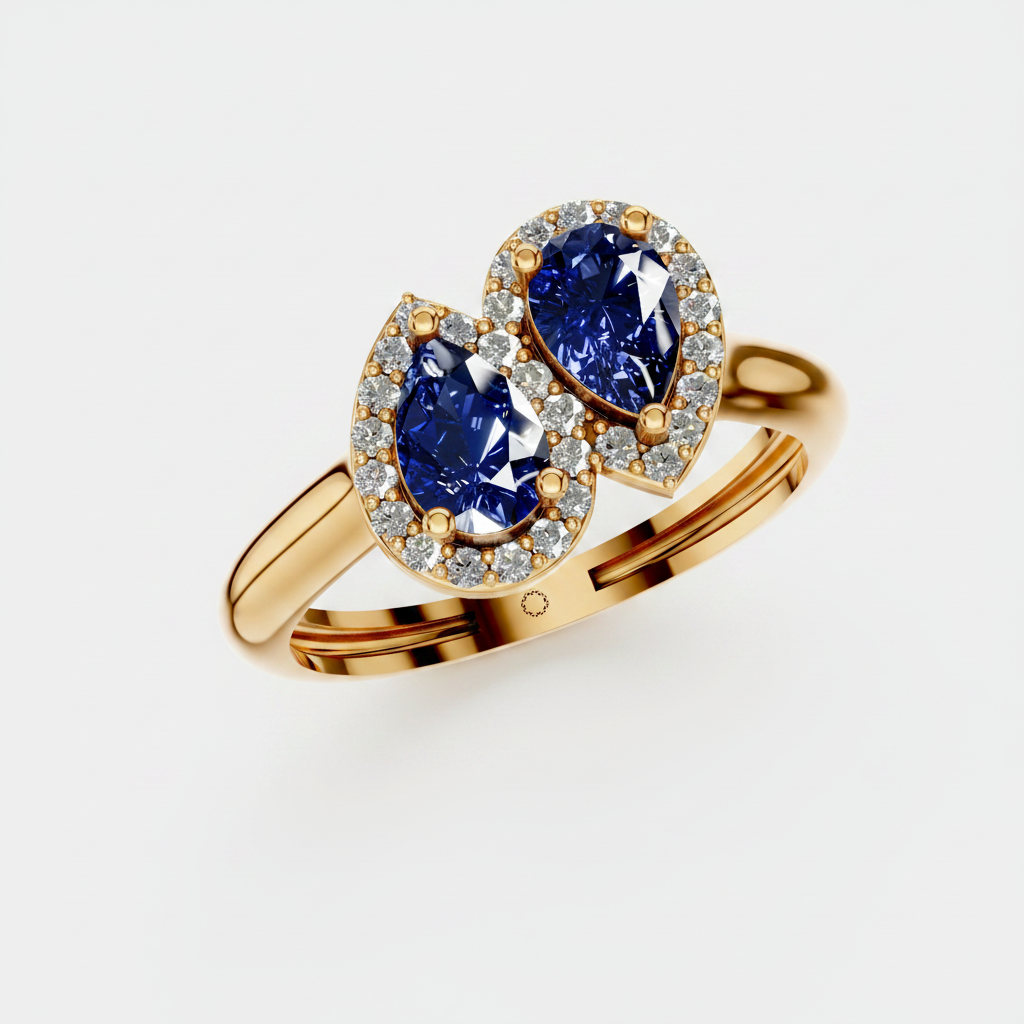
Alexandrite pairs well with white metals like white gold or platinum, which let the color shift read clearly without competing warm tones. A halo setting is a popular choice here too, since a ring of small accent diamonds draws the eye toward the center stone and emphasizes the color change as the ring catches light from different angles: similar in concept to the framing you'll see in a blue sapphire Toi et Moi ring.
3. Moonstone: The Dreamy Third Birthstone
-
Moonstone Meaning and Folklore
Moonstone gets its name from the soft, glowing sheen that seems to float just beneath the surface, an optical effect called adularescence. Ancient folklore held that moonstone was formed from moonlight itself, and in many cultures it's been considered a stone of intuition, emotional balance, and new beginnings.
This June birthstone is often gifted around major life transitions like new relationships, new chapters, or simply as a calming talisman. Because it's associated with the moon and its cycles, moonstone is also a popular choice for anyone drawn to celestial or astrology-inspired jewelry.
-
Moonstone Colors and Quality
While the classic look is a milky white or gray stone with a blue sheen, moonstone also occurs in peach, green, and rainbow varieties. The best-quality moonstones show a strong, clearly visible glow (called blue flash) when tilted under light, rather than a flat, cloudy appearance.

You can pick a rainbow moonstone, technically a type of feldspar, has become especially popular in modern rings for its multicolored shimmer.
-
Moonstone Rings for Modern Jewelry Lovers
Moonstone's soft, ethereal look makes it a favorite for delicate, minimalist rings, but it also holds its own as a statement centerpiece in a larger design. Like pearl, moonstone is on the softer side (6–6.5 on the Mohs scale), so a protective setting is worth prioritizing if you plan to wear the ring daily. A bezel setting or a halo of diamonds gives the stone both security and extra sparkle, which is part of why halo designs remain one of the most requested styles across engagement and birthstone rings alike.
How to Choose the Right June Birthstone Ring

-
Matching Stone to Lifestyle
If you work with your hands, pearl and moonstone will need more care due to their softness. That doesn't mean skip them, but just choose a protective setting and be mindful during activities like gardening, cleaning, or workouts. Alexandrite, at 8.5 on the Mohs scale, is closer to sapphire in durability and holds up better to daily wear, which is one reason it's grown popular for engagement rings among June birthdays who want a colored stone with staying power.
-
Customization Options Worth Considering
One of the best parts of shopping for a birthstone ring today is that you're rarely limited to whatever's sitting in a display case. Many jewelers, including Zemerra International, offer:
-
Custom engagement rings built around a birthstone of your choice, whether that's pearl, alexandrite, moonstone, or a combination
-
Personalized gold rings in yellow, white, or rose gold to match skin tone and existing jewelry
-
Halo and chevron band settings that pair a colored center stone with lab-grown diamond accents for extra brilliance
-
Engraving and sizing services so the ring feels like it was made specifically for the wearer, not pulled off a shelf
If you're drawn to the halo-and-diamond-accent look but want a stone other than sapphire, most jewelers can rework a design like this pear sapphire halo ring to feature pearl, alexandrite, or moonstone instead, keeping the silhouette while swapping in your birthstone.
-
A Quick Buying Checklist
Before finalizing a ring, it helps to confirm a few basics:
-
Is the center stone natural, lab-created, or simulated — and does the listing say so clearly?
-
What's the metal type, and does it suit your skin tone and daily activities?
-
Does the setting protect a softer stone like pearl or moonstone from chips and scratches?
-
Is resizing or engraving available if this is a gift?
-
Does the retailer offer a warranty, care guide, or cleaning service?
Once you get the answer properly, then proceed further to shop the July birthstone ring with that particular jeweler.
Buying June Birthstone Jewelry with Zemerra International
Why Shop Your Birthstone Ring with Zemerra International
Once you've settled on a stone, the retailer you choose matters almost as much as the gem itself. Zemerra International specializes in fine jewelry built around lab-grown diamonds and lab-created gemstones, which means shoppers looking for pearl, alexandrite, or moonstone pieces can get the look and durability.
Find your designer ring without the markup of a fully natural stone. Every setting is designed with everyday wearability in mind, protective halos, secure prong work, and band styles that hold up to real life rather than just photographing well.
Customization and Ordering
Buying a birthstone ring with Zemerra International doesn't mean choosing from a fixed set of options. The team works with customers to swap center stones, adjust metal tone, resize bands, and add engraving, so a design you like the shape of can still end up built around your specific birthstone. This is especially useful for engagement rings and milestone gifts, where the sentiment of "made for June" matters as much as the finished look.
For anyone unsure where to start, browsing a halo-style piece like the pear sapphire halo lab diamond chevron gold ring and then asking about a birthstone swap is an easy way to begin the conversation.
Caring for Your June Birthstone Jewelry
-
Pearl and moonstone should be cleaned with a soft, damp cloth only. Skip ultrasonic cleaners and harsh chemicals, since both stones are porous and soft enough to be damaged.
-
Store them separately from harder gems like diamonds or sapphires to avoid scratching.
-
Alexandrite is tougher and can generally be cleaned with mild soap and warm water, though it's still smart to remove any ring before heavy manual work or swimming in chlorinated water.
-
For all three, a yearly check-in with a jeweler to inspect the setting and prongs will catch loose stones before they become lost ones.
To get the same look for your June birthstone ring, keep them secure whenerv its possible and avoid collision with objects.
Conclusion
June's three birthstones cover an unusually wide range: the classic elegance of pearl, the rare color-shifting drama of alexandrite, and the soft glow of moonstone. Whichever one speaks to you, the setting matters just as much as the stone itself. A well-designed halo or chevron band doesn't just add sparkle. It protects the center stone and makes it wearable for years of daily life. If you're ready to see how that kind of design comes together, browsing a piece like Zemerra International is a good way to picture the finished look before deciding which birthstone belongs at its center.